
Posts in Travel

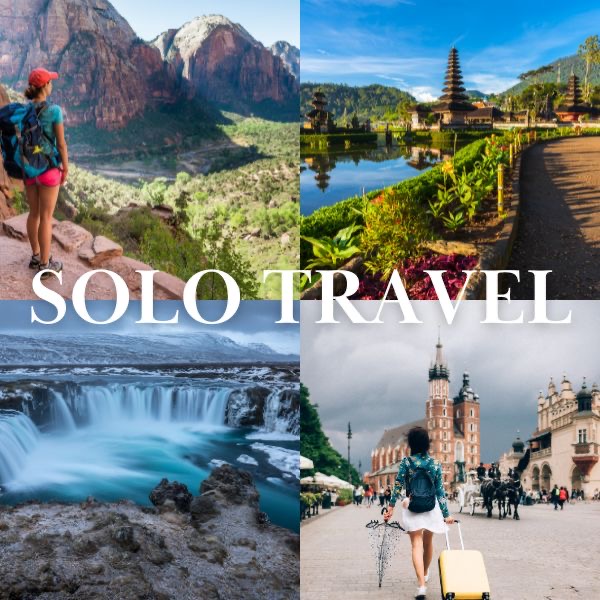
Why Solo Travel Changes You Forever: Lessons From the Road

Solo traveler standing on a cliff overlooking the ocean at sunset, representing how solo travel changes your life and teaches lessons from the road.

Traveling alone may sound scary at first, but it can become one of the most meaningful experiences in life. Solo travel is not just about visiting new places. It is about understanding yourself, meeting new people, and seeing the world in a different way.

When you travel alone, every decision is yours. You choose where to go, what to eat, and how to spend your day. This freedom helps you grow and become more confident.

You Learn to Trust Yourself

One of the biggest lessons of solo travel is learning to trust yourself. When you are in a new city without friends or family, you have to depend on your own choices.

At first, this can feel uncomfortable. But slowly you begin to enjoy the independence. You learn how to solve small problems, find your way around, and adapt to new situations.

These experiences build confidence that stays with you even after the trip ends.

You Notice the World More

When you travel with others, you often talk to your friends and focus on your group. But when you travel alone, you pay more attention to the world around you.

You notice small things—street music, local food smells, the way people live their daily lives, and the beauty of nature. These small moments make travel more meaningful.

Solo travel helps you slow down and truly experience a place.

You Meet New People

Many people think traveling alone means feeling lonely. In reality, it often leads to meeting more people.

When you are alone, you are more open to conversations. You might talk with locals, other travelers, or someone sitting next to you in a café. These simple interactions often turn into memorable experiences.

Sometimes the people you meet during travel become lifelong friends.

You Understand Different Cultures

Traveling alone gives you more chances to explore local culture. You may try traditional food, visit local markets, or learn about customs and traditions.

This helps you understand how different people live around the world. It also teaches respect and appreciation for cultures that may be different from your own.

You Discover Yourself

One of the most powerful parts of solo travel is self-discovery.

Spending time alone in a new environment gives you time to think. You start understanding what you enjoy, what you value, and what truly makes you happy.

Many travelers say that solo trips change their outlook on life.

Final Thoughts

Solo travel is not just about seeing new destinations. It is about personal growth, confidence, and unforgettable experiences.

Every journey teaches something new. The roads you travel and the people you meet become stories you carry for the rest of your life.

If you have ever thought about traveling alone, take the first step. The world is full of beautiful places waiting to be explored—and sometimes the best journeys are the ones you take by yourself. ✈️🌍
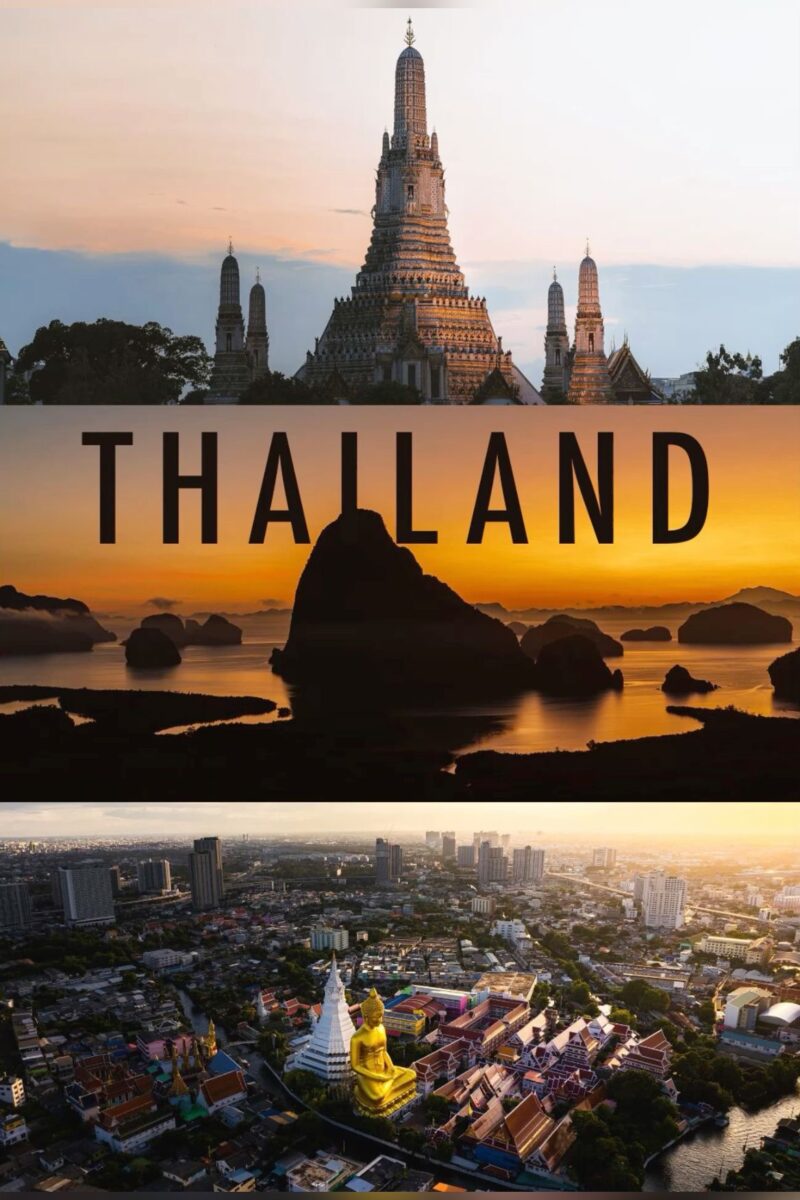
 

Why Everyone Wants to Visit Bangkok at Least Once in Their Life

Traveling allows people to experience different cultures, foods, and lifestyles. Some cities around the world leave a strong impression on travelers because of their unique atmosphere and exciting attractions. Bangkok is one of those cities. It is the capital of Thailand and one of the most visited cities in the world. Every year, millions of travelers come here to explore its temples, taste delicious food, enjoy shopping, and experience its vibrant nightlife.

Bangkok is a city where tradition and modern life exist together. Ancient temples stand next to modern skyscrapers, and quiet spiritual places can be found just a short distance away from busy markets and entertainment areas. This unique combination is one of the main reasons why Bangkok attracts so many visitors.

Rich Culture and Beautiful Temples

One of the biggest attractions in Bangkok is its rich culture and history. The city is famous for its beautiful temples, also known as “wats.” These temples are important places for religion and cultural heritage in Thailand.

Many travelers visit temples to admire the architecture and learn about Thai traditions. The temples often have golden decorations, detailed carvings, and peaceful surroundings. Visiting these places gives travelers the opportunity to understand the spiritual side of Thai culture and observe the calm atmosphere that contrasts with the busy city streets.

A Paradise for Food Lovers

Another major reason people visit Bangkok is the food. The city is known worldwide for its street food culture. Walking through the streets of Bangkok, visitors can easily find small food stalls selling freshly prepared meals and snacks.

Popular dishes include noodles, fried rice, grilled meats, seafood, and tropical fruits. The flavors are usually a mix of sweet, spicy, salty, and sour, which makes Thai food very unique and exciting. One of the best things about food in Bangkok is that it is often affordable, allowing travelers to try many different dishes without spending a lot of money.

Street food markets are especially popular during the evening when locals and tourists gather to enjoy meals and socialize.

Exciting Shopping Experiences

Shopping is another activity that makes Bangkok attractive to visitors. The city offers a wide variety of shopping options, from modern shopping malls to traditional street markets.

Large malls provide international brands, restaurants, and entertainment, while street markets offer handmade items, clothes, accessories, and souvenirs. Many travelers enjoy bargaining in local markets because it adds fun to the shopping experience.

Bangkok’s markets are also great places to experience local culture. Visitors can see how locals shop, eat, and interact in everyday life.

Vibrant Nightlife and Entertainment

When the sun goes down, Bangkok transforms into a lively and energetic city. The nightlife is famous for its rooftop bars, night markets, music venues, and entertainment areas.

Tourists often enjoy visiting night markets where they can shop, eat, and listen to live music. Rooftop restaurants and bars also offer beautiful views of the city skyline at night.

This exciting nightlife makes Bangkok attractive to young travelers as well as people who enjoy social and entertainment activities during their trips.

Friendly People and Warm Hospitality

Another reason people love visiting Bangkok is the friendly nature of Thai people. Thailand is often called the “Land of Smiles,” and many visitors notice how welcoming and polite the locals are.

Whether someone is asking for directions, buying food, or exploring markets, locals usually respond with kindness and patience. This warm hospitality makes travelers feel comfortable and safe during their visit.

A City Full of Unique Experiences

Bangkok offers a wide range of experiences for travelers. Some people come to explore temples and cultural sites, while others come for food, shopping, or nightlife. The city also serves as a gateway to other popular destinations in Thailand, such as tropical islands and beach resorts.

Because Bangkok provides so many different experiences in one place, it appeals to travelers with many different interests.

Conclusion

Bangkok is a city that combines culture, history, food, entertainment, and modern lifestyle in a very unique way. Its beautiful temples, delicious street food, exciting markets, and vibrant nightlife create an unforgettable travel experience.

For many travelers, visiting Bangkok is more than just a vacation. It is an opportunity to explore a new culture, try new foods, and experience the energy of one of the most dynamic cities in the world. This is why so many people dream of visiting Bangkok at least once in their lifetime.


Top 3 Places to Visit in Bangkok This 2026

Bangkok is a fast-paced city. New malls emerge, and cafes spring up around every corner, but some experiences are simply one-of-a-kind. If you’re planning your 2026 adventure, forget the long list. Here’s the short list. Three places that are different: fun, culture, and breathtaking views.

Let’s get started.

1. Capybara Café

This is real, and yes, it’s worth it. Animal cafes are quite common in Thailand, but the capybara cafe in Bangkok is one of the most popular in the city. Capybaras are the largest rodents in the world. They are also very relaxed, slow-moving, and surprisingly affectionate. It’s weird to see them up close at first, but then it’s just wow.

At the cafe, you can sit around them while you have your drinks, interact with them during feeding times, and take monitored photos. The staff is with you every step of the way. The area is well organized and designed with the capybaras’ comfort in mind. There’s no mess and no hurry.

What makes this place unique in 2026 is the experience economy. Consumers crave real engagement, not just observation. In this place, you are part of the experience. You observe the capybaras’ behavior, how they react to gentle petting, and how relaxed they are even with people around.

It’s also very Bangkok: a little weird, a little unexpected, but somehow very well organized. Better book in advance, especially on weekends when the place is fully booked. And don’t be late. The schedule is strictly followed, so you might miss the experience if you arrive late.

2. The Grand Palace

You can’t miss it, even if you think you want to. The Grand Palace is Bangkok’s most famous landmark. Constructed in 1782, it was the residence of Thai kings for generations. Inside its walls is Wat Phra Kaew, home to the Emerald Buddha, one of the most revered figures in Thai Buddhism.

What makes this place so special? The gold-covered buildings that glint in the sunlight, the walls that come alive with murals of epic proportions, and the attention to detail that’s so fine you’ll spot it everywhere.

Yes, it’s going to be crowded. Yes, it’s going to be hot. And yes, you’re going to have to fight your way through the throngs of people. But stand back and look at these buildings, and you’ll understand why so many people flock here every year. The sheer size, the perfect symmetry, the bright colors, and the shiny tiles all add up to something majestic in the truest sense of the word.

If you’re visiting Thailand for the first time, this is the place that will put everything into perspective. It’s a mix of history, religion, architecture, and national pride all in one place. Be sure to dress modestly. Cover your shoulders and knees. Visit early to avoid the heat of the day. Take your time exploring the grounds. Rushing through it defeats the purpose.

Even in 2026, as Bangkok continues to rise with high-rise buildings and shopping malls, the Grand Palace is still the soul of Bangkok.

3. Wat Arun

As far as views and ambience go, it’s difficult to find a spot that compares. Wat Arun, or the Temple of Dawn, is located on the west side of the Chao Phraya River in Bangkok. Its central spire rises high above the water, and its surface is dotted with bits of colorful porcelain and shells, making it unlike any other temple in the city. You can hike up the stairs, which are steep, and from the top, you can see the entire river that winds its way through the city, boats puffing along below, a combination of old temples and sleek skyscrapers.

The sunset view is also very popular here, as the light softly envelops the temple in a warm glow. It’s a bit more laid-back than the Grand Palace, which is very crowded but not overwhelming. A short boat ride across the river will take you to the temple, and the ride is part of the experience: the wind in your face, the sights of Bangkok spread out before you from a different perspective.

Wat Arun strikes a good balance between the two, with just enough going on to keep things interesting but not so much that it becomes overwhelming.

Why You Should Visit These Three Spots in 2026

Bangkok is on the upswing, with new attractions emerging every year. But not everything new is a hit. These three attractions are effective because they give you more scope.

The capybara café is a fun, participatory experience, and one that you’ll actually talk about with your friends back home. The Grand Palace grounds you in Thai culture in a way that a fancy mall never could. Wat Arun combines great views with a soothing riverside tranquility, a respite from the hustle and bustle of the day.

Each one captures a different side of Bangkok: quirky, historic, and scenic. You don’t have to go out and see everything. You just have to pick and choose. Begin with these three, and then see what else the city has to offer.

The Strength of the Personal Viewpoint and Travel-Influenced Stories

Travel writing is most engaging when it is moulded with the First person point of view of travelling, though presented in a third-person perspective. This literary technique focuses on the personal perception, emotional reaction, and sensual description so that the readers can enter the experiences in a manner that allows them to relive them in real time. As opposed to introducing destinations to us as locations on the map, landscape stories based on the perspective of the first person point of view of travel, turn the landscapes into living memories, with their texture, sound, and the small human touch.

A tourist who passes by a busy market, say, does not just look at the stalls and products. There is still focus on the rhythm of the bargaining voices, the aroma of the spices as they blow with warm air and the change of colours in the fabric woven. Details like these bring on intimacy, which is the mark of the first-person perspective of travelling; when moments are personal and not informational. The readers do not just read about a place and feel its beat through experience.

Emotion as the Compass

Travels are never characterised by the distance covered. The changes in emotions are what make the travel writing storyline interesting and universal. In using the first-person point of view approach of travelling, one does not simply miss a train; he/she turns a corner of frustration, humour, or unpredictable finding. A silent dawn on a mountain road is heavier when it is attached to contemplation, loneliness, or rejuvenation.

The responses of an inner state in such storytelling lead the reader to comprehend the outside world. The rain on old stone streets might be nostalgic. A plain smile at a stranger could be a sign that we are all one in some way other than speech. It is these emotional threads which lie at the very core of the first-person point of view of travelling, and which prove that journeys are as much happening within the traveller as they are happening across geography.

There are also important moments of uncertainty. Losing one’s way along the dark streets or having to cope with new manners brings helplessness. This candidness makes the readers relate to it on a human level and view courage and curiosity together. This is an honest reaction that is captured by the First person point of view of travel and has shown growth as a result of getting out of the comfort zone.

Descriptions of Sense That Makes Places Living

Travel stories are put on solid ground by vivid imagery, and the First person point of view of travel is all about immersion in the senses. Memory is formed through the action of taste, touch, sound and sight. The sharp bite of street food, or the coldness of the sea wind, or the ringing of the bells of the temple in the distance give pictures in the imagination of the reader.

Light plays its part as well. The golden evening makes the urban skylines softer, and the desert landscape features are emphasised by the intense sunlight of noon. Even converse is expressive, in distant valleys or silent museums. With the use of the First person point of view of travel, these are not details in the background; they are tangible participants in the story.

Change Via the Process

Any significant journey is memorable. First-person account of travelling is usually the one that traces subtle change, the change in the worldview. The experience of new settings questions the assumptions and expands the knowledge. Perseverance increases in the context of waiting in new transit systems. These appreciations grow after seeing other lifestyles.

During travel, time acquires a different meaning as well. Time stretches when there is exploration, and recollection becomes clear-cut snapshot memories. The First person point of view of travel maintains the emotional reality of a journey as opposed to a chronological order.

Conclusion

The stories about travelling are best articulated when they revolve around the perceptions that are lived in, and when they are guided by the emotional truth. The First person point of view of travel transforms destinations into an experience, melting all senses, cultural experience and personal contemplation into a story that becomes immediate and human. It is through this that journeys are not merely travelling through space, they become changes of knowledge, bonding and thought that continue even after the road ends.

A Solo Traveler’s Guide to Ho Chi Minh City

Traveling solo to Ho Chi Minh City was one of those experiences that pushed me out of my comfort zone in the best way possible. From the moment I landed, the city felt fast, and a little intimidating, but also full of energy. Within a day, that chaos started to feel familiar, and by the end of my trip, it felt very comforting.

If you’re thinking about exploring Ho Chi Minh City alone, here’s what it actually feels like and what helped me enjoy it fully.

The traffic is insane… and you’ll get used to it

The first thing you notice is the traffic. Motorbikes everywhere. Thousands. They flow like water around you. At first you freeze. Then you realise everyone is just… going. No one stops, but no one really crashes either (most of the time).

Then there’s the smell of street food, the sound of honking, and the mix of old French buildings sitting next to modern skyscrapers.

Where I Stayed (And Why Location Matters)

For solo travelers, District 1 is the easiest place to base yourself. It’s walkable, full of cafes, hostels, and small hotels, and you’re never far from food or people. I liked being able to step outside and instantly feel connected to the city, especially at night when I didn’t want to wander too far.

If you prefer something quieter but still central, District 3 felt more local and peaceful, with tree-lined streets and fewer tourists.

Getting Around Alone

Walking is great for short distances, but for everything else, Grab (Vietnam’s ride-hailing app) became my best friend. It’s cheap, safe, and avoids awkward taxi negotiations. I mostly used Grab bikes. It’s faster, cheaper, and honestly kind of fun once you get over the initial nerves.

Public buses exist, but for a short trip, ridesharing made life easier.

Eating Solo (Way Better Than I Expected)

Eating alone in Ho Chi Minh City never felt awkward. Street food stalls are perfect for solo travelers, and they offer quick meals, no pressure, and incredible flavors.

Some of my favorite solo meals were:

  • A simple bowl of pho early in the morning
  • Banh mi from a tiny street cart
  • Vietnamese iced coffee

Food here is affordable, so I never felt guilty trying multiple things in one day.

Things I Loved Doing Alone

Ho Chi Minh City is surprisingly good for solo exploring. A few highlights:

  • Visiting the War Remnants Museum, which was emotional and powerful
  • Wandering around Ben Thanh Market and nearby streets
  • Sitting in cafes with no plan, just watching life pass by
  • Taking a day trip to the Cu Chi Tunnels, where I met other travelers easily

Solo travel here doesn’t feel lonely unless you want it to.

Safety as a Solo Traveler

I felt generally safe, even walking around at night in busy areas. That said, petty theft is real. I kept my phone close, avoided using it near traffic, and used a crossbody bag with zippers.

Trust your instincts. If a street feels off, just move on. There’s always another lively one nearby.

The Solo Travel Feeling

What stayed with me most was how easy it was to find small moments of connection, short conversations, shared smiles, or just feeling part of the movement of the city. Traveling alone here taught me to slow down, observe more, and trust myself in unfamiliar places.

Final Thoughts

Ho Chi Minh City isn’t polished or quiet, but that’s exactly why it works so well for solo travel. It challenges you a little, surprises you often, and rewards curiosity.

If you’re on the fence about going alone, just go. You’ll leave with stories, confidence, and a deeper appreciation for Vietnam’s energy and warmth.

Bali Travel Guide: My Personal Journey through Culture, Beaches and Hidden Treasures

Introduction

Bali has been at the top of my bucket list for as long as I can remember, so as soon as I made the commitment to travel to Bali. I still couldn’t believe I was actually going.

As soon as I arrived in Bali, I knew why everyone calls it “The Island of the Gods”, because there is such a beautiful combination of nature, spirituality, food and friendly, kind people here.

This trip was not just a vacation to me, it was more than that; it was very personal, tranquil, and rejuvenating.

Bali’s Initial Impressions

The initial sensory impressions of Bali on my first day here were so overwhelming – in a good way! The smell of incense was present every step of the way, and the offerings that are left at each storefront are very special to experience.

The lush, green scenery is absolutely breathtaking! Traffic was a bit wild, however, it felt to be a very calming “wild”.

The people of Bali smile all day long; I could feel their happiness and that I was welcome into their world.

Bali’s Gorgeous Beaches

The #1 reason people travel to Bali is probably for the beaches! I was definitely not disappointed! I visited Kuta for its truly electric energy, Seminyak for the beach clubs and sunsets, and Uluwatu for the beautiful cliffs surrounding the crystal clear waters of the Pacific Ocean.

The most rewarding experience of every day was sitting at the water’s edge at sunset, while watching the sky turn from yellow to orange to pink.

Essential Experience In Ubud: Heart of Bali

Ubud contrasts greatly with the Coastal Areas due to its lush environment – rice terraces, waterfalls/jungle views. I considered this Grounding and Peaceful.

I had an opportunity to explore the Tegallalang Rice Terraces, visit local art markets, and practice early morning yoga in my free time. there allowing me to experience a different side of Bali Travel – the spiritual side.

Balinese Food – Simple Unforgettable

A highlight of my time in Bali was the food! I sampled many of the traditional local dishes and they were all delicious! The best part of all was how inexpensive they were compared to what I had to pay at other restaurants; every meal I ate was a wonderful experience.

Temples, Culture, and Traditions

Because of all I had seen and learned about the culture of Bali, when I visited the temples and participated in traditional dance performances, I understood how much of the balinese culture is intertwined with everyday life.

The people wear their ceremonial dress and observe ceremonial practices on a daily basis.

Trip Lessons From Bali

I learned many life lessons on my trip to Bali, some of which were hard lessons to learn. Carry cash at all times, be respectful of the local culture, only rent a scooter if you are comfortable, do not overplan your schedule in Bali, and lastly, enjoy Bali at a slow pace.

Final Through

The trip to Bali had an impact on me and how I now live my life. My trip taught me to enjoy every second to the fullest, while at the same time, to slow down and appreciate the little things in life.

Whether you visit Bali for Adventure or relaxation, there is something for everyone. I will carry the memories of the trip I had to Bali forever with me, as well as a strong desire to return to Bali someday.

My Unforgettable Journey Through Thailand

My Thailand journey started with the arrival at an airport in Bangkok and the moment I stepped out. It was the warm air, along with the smell of the street food and the buzz of the city, which told me that I was in a completely different world.

One can say that Thailand was bursting with life and it was a bit different from everything I had ever known before. There was a lot of noise, color and movement but also a weird kind of familiarity, at the same time. I didn’t seem like a stranger for a long time.

I arrived only with a curious mind and no checklist. I was really keen on living in Thailand and experiencing it in such a way that I could see more, but without being in a hurry.

Exploring Bangkok: Chaos, Culture, and Charm

It was in Bangkok that I first really got a taste of what Thailand is all about and the city did not let me down. Basically, the city is packed with activities, loud and is always on the go; however, there is a certain rhythm to it, when you give up your resistance.

I was going through the local streets in the morning and looking at the people who were getting their shops ready for the day and street vendors preparing the food.

The visit to the Grand Palace and Wat Pho turned out to be an intense experience. The palatial temples with pure gold, the huge gardens and the quiet prayers were like an intermission in the middle of the noisy world outside.

While I was there, I could actually feel the deep roots of the past and the spirituality in the people’s lives in Thailand.

I made street food my habit. Right there in front of me was pad thai being cooked, a young coconut water was opened just for me, curries were made hot and quickly and mango sticky rice was my choice of dessert.

Eating on the streets gave me a feeling of honesty and intimacy, as if I had got to share a moment with the city itself.

Chiang Mai: Slowing Down in Northern Thailand

After my time in Bangkok, I headed north to Chiang Mai. It was a complete change of the pace and could easily be felt.

Once you see the mountains and temples that are very old, you can’t help but be quiet in the beautiful Chiang Mai which has almost a hypnotic effect on you. To get around, I hired a scooter and without any real plan, I roamed my days.

One day, I went to a very quiet temple and there I saw the monks arriving at the courtyard which they were going to walk through with their bare feet. It was a moment full of quiet, stillness and no rushing or even noise.

That moment really hit me and stayed with me ever since. From Chiang Mai I learned how important it is not to race and to be in the now.

Moreover, I was privileged to participate in a local cooking class and during it, I was taught how to make authentic Thai dishes.

Cooking with the locals, hearing their stories, and sharing a meal made me feel so much touched and connected which of course, cannot be achieved through mere ​‍​‌‍​‍‌​‍​‌‍​‍‌sightseeing.

Island Life in Thailand: Letting Time Drift Away

Simply​‍​‌‍​‍‌​‍​‌‍​‍‌ put, no trip to Thailand is complete without exploring the beautiful islands. I traveled down south and landed on a tranquil beach where the days appeared to be even longer and more vibrant. Each day started with swimming in the sea and then a modest breakfast of fresh fruit and coffee was enjoyed.

The island lifestyle was my teacher to help me forget the constant urge of movement. I could not believe that I had so many empty hours, but I was indeed watching the waves, reading books, or just sitting and keeping my own company in silence.

The setting of the sun turned into our daily habit and every single time it was more stunning than the previous.

The nights were energized and bright with the easy and light talks of the visitors from all over the globe. We exchanged experiences, chuckled, and talked about life, fully aware that these friendships were ephemeral but heartfelt.

What Traveling in Thailand Taught Me

Travelling in Thailand traced the different perceptions of travel and myself. I realized that kindness was silent and did not require words. Smiles, simple gestures, and a meal together were enough to create instant bonds. Thailand taught me that the greatest moments are the ones when things don’t go as planned.

Furthermore, I realized that slower travel was better. Instead of rushing to see every single attraction, I allowed the places to reveal themselves in a natural manner. This way, every moment became more authentic.

Final Thoughts

When my trip was winding down, it felt kind of surprising that I was so emotional about leaving Thailand. Apart from the stunning views and the popular landmarks, this country offers a lot more. It gives you perspective, a sense of calm, and a reminder to be grateful for the present moment.

Going to Thailand is not merely about the destinations. It is about the journey that makes you feel open, grounded, and inspired. Even after my return to home, Thailand is still with me, through the memories, scents, and lessons that I will keep forever, beckoning me back ‍. ‌

My Unforgettable Trip to Palawan, A Place I Never Wanted to Leave

As I think of my trip to Palawan, it is like a beautiful dream I never wanted to leave. The moment I stepped off the airplane in Puerto Princesa, I was enveloped by the warm tropical breeze and soft smell of the ocean in the air. I had seen pictures of Palawan but standing there surrounded by turquoise oceans and beautiful green foliage, I realized pictures don’t compare to what is in front of me.

Experiencing the Beauty of El Nido

I finally arrived at El Nido, which had been referenced as heaven on earth. As our van cruised through the narrow and winding mountains, the sea began to sparkle off in the distance, teasing me about what we were about to discover. The town of El Nido is small but vibrant with colorful boats stretched along the shore and travelers from all over the world sharing stories and sipping on cold mango shakes in the café near the beach.

The island-hopping tour was undoubtedly the highlight of the trip. The small wooden boat sailed through the clear blue ocean, stopping at one after another at little pieces of paradise. The Big Lagoon left me speechless; the steep limestone cliffs reflected so perfectly on the tranquil water surface that it looked as if nature herself had crafted a mirror out of earth. At Secret Lagoon, we crawled through a small rock opening until we emerged into a hidden lagoon surrounded by cliffs. it truly felt like finding a secret place.

Each island had its own character. But what I loved the most was the sense of peace I felt in every moment. I remember thinking how rare it was to feel alive and calm at the same time while floating on my back in the middle of the ocean with the sound of the waves gently ebbing in and out of my ears.

The Soul of Palawan

Palawan was more than just its beaches and lagoons; it was about its people. The locals were some of the nicest people I have known always smiling, always willing to help. One evening, I joined a small group of locals as they cooked fresh fish and seafood over a use of fire on the beach.

They requested I join them for dinner, and experiencing grilled fish, rice, and conversation was delightful for the connection it gave me.

The food was simple but great grilled squid, adobo, and, of course, the sweetest mangoes I had ever tasted. Every bite had captured the essence of the island, fresh, raw and alive.

A Sunrise to Remember

My last morning, I got up early and went to the beach for the sunrise. The sky was distinguished into a dignified pink to gold as the first ray of life hit the water. It felt peaceful, mellow, and uncomplicated with only the sound of soft waves coming ashore. It was in that moment, as I stood and gazed out that I thought, “Palawan has transformed me at the core.” It reminded me that happiness is not a comfortable, convenient plan for life, but it lies in silence; sometimes, with good breath, reminding you of a necessity, Mother Nature.

Leaving Palawan was harder than I expected. Like many do on their journey home, after takeoff, I looked down to the island once again, and promised to return. Not all destinations are a geography; some feelings are with you for a lifetime.

Captivated by Bohol: My Experience with Nature and Culture

When I decided to visit Bohol, I had no idea what to expect. It was not as well-known as Palawan or Boracay. However, there was something about its unassuming reputation that intrigued me. I wanted an experience that felt genuine, one that connected me with nature and local life. Little did I know that Bohol would find its way to my list of favorite places in the Philippines.

The Alluring Chocolate Hills

My first adventure in Bohol led me to the Chocolate Hills, and as soon as I set my eyes upon them, I was mesmerized. I stood on the viewing platform and simply looked out at hundreds of cones lined up in the distance. The hills looked like large drops of chocolate capriciously littered across the earth by nature. When it is dry they turn brown, and hence the name but when I visited, every hill was lush and green, and it was an astonishing view that looked like a painting.

Seeing the Small Tarsiers

After that, I stopped at the Philippine Tarsier Sanctuary to see one of the smallest primates in the world. The tiny animals had large eyes and little fingers. They appeared delicate and somewhat magical as they clung to the branches of trees and hardly moved at all. In that moment, I felt infused with respect for the imagination and creativity of nature. Meanwhile, the staff of the sanctuary asked everyone to try to stay quite because tarsiers can be sensitive animals and can be stressed. During this time, I felt the best way to show appreciation of nature was to just watch and listen.

Enjoying a Quiet River Cruise

One afternoon I spent time going on a Loboc River Cruise; an experience that rated as one of the most relaxing things I have ever done. The boat floated along the still green river water while locals sang folk songs and served previously cooked delicious Filipino food (grilled fish, pancit, and sweet banana turon). The boat was filled with charming laughter and music and the aroma of cooked food. It was astonishing to feel as if the entire river was happy and celebrating along with us.

The Serenity of Panglao Island

Eventually, I went on to Panglao, a small island connected to Bohol by a bridge. The beaches were pure white, while the sea sparkled like glass. I spent hours lying on the sand, listening to the waves, and watching the sunset turning the sky orange and purple. It was the kind of beauty that doesn’t cry out it whispers, quietly but profoundly.

What I Learned from Bohol

Bohol taught me that travelling is not simply about visiting famous places, it is about feeling the pulse of a land and its people. From the gentle gaze of the tarsiers to the peaceful current of the Loboc River, each moment reminded me beauty is in simplicity.

As I departed from the island, I realized that Bohol had gone and quietly taken a part of my heart with it. It was the kind of place that didn’t have to impress you. it just had to trick you into slowing down to see it in its whole glory. And I am glad that I did.

The Philippines: When Is the Best Time of Year to Visit? Weather, Festivals, and Travel Information

Preparing to visit the Philippines is complicated enough on its own, but deciding when to visit the Philippines can only improve the overall experience! With a tropical climate, beautiful islands, and colorful cultural events, the Philippines has something special happening all year long. Use this guide to help you decide when to visit the Philippines.

When to Visit the Philippines Weather and Seasons

The Philippines has two distinct seasons dry and wet. The dry season runs from November to May, and it is the most sought-after time to travel. Weather is largely sunny, which is ideal for relaxing at the beach, going island hopping, or visiting popular destinations such as Palawan, Boracay, or Cebu. The cooler months of December to February tend to be advertised as the most comfortable time of year for outdoor travel.

The wet season runs from June to October. During this period, heavy rains and occasional typhoons are likely, particularly from July to September. Although the wet season is not the best time for the beach, it may be an attractive option for budget travelers, since flights and accommodations are typically lower in price. Taking that into consideration, some regions of the Philippines are less susceptible to typhoon activity, such as Mindanao, and your travel to the Philippines is still a worthwhile experience.

Festivals and Cultural Highlights

The Philippines is known for its remarkable festivals that bring out the best of local culture, faith, and traditions. If you can time your trip appropriately, you will have one experience much richer than any tourist experiences.

  • Sinulog Festival (January, Cebu): Huge Street party, with dancing, costumes, and music.
  • Ati-Atihan Festival (January, Aklan): Widely celebrated as the original and grandest of all Philippine festivals. Pure energy, pure cultural pride.
  • Panagbenga Festival (February, Baguio): The festival of flowers and flowers in parade form.
  • MassKara Festival (October, Bacolod): The massive smiling masks, street parties, and food fairs.

To enjoy, it’s a special way to connect to Filipino culture and hospitality.

Quick Tips Before You Go:

  1. Book Early For Peak Season Travel: The absolute busiest travel season will definitely be dry season in Christmas and holy week (Easter!). Book your flights and hotel rooms as early as you can.
  2. Pack Smart: Take mostly light material, sunscreen, and insect repellant, (with a light and easy material rain jacket for rainy months).
  3. Be Flexible: Travel planning can revert during a wet season. Plan for your backup plan first.
  4. Appreciate Local Culture: Filipinos are warm and welcoming, so learning a few basic greetings in Filipino can prove useful in building rapport.

Conclusion

When the best time to visit the Philippines really depends on whether you are looking for sunny beach days, extravagant cultural festivities, or just trying to get the best deal during the off-peak season! Regardless if you plan to visit during dry season or wet season, you will fall in love with the best of Philippine Islands’ beauty and appreciate the warm hospitality of Filipinos once you arrive.